
Categories
Home Seller Guide, Lifestyle, Real Estate KnowledgePublished June 23, 2026
Does Staging Help Sell Your Home Faster? (2026 Data)

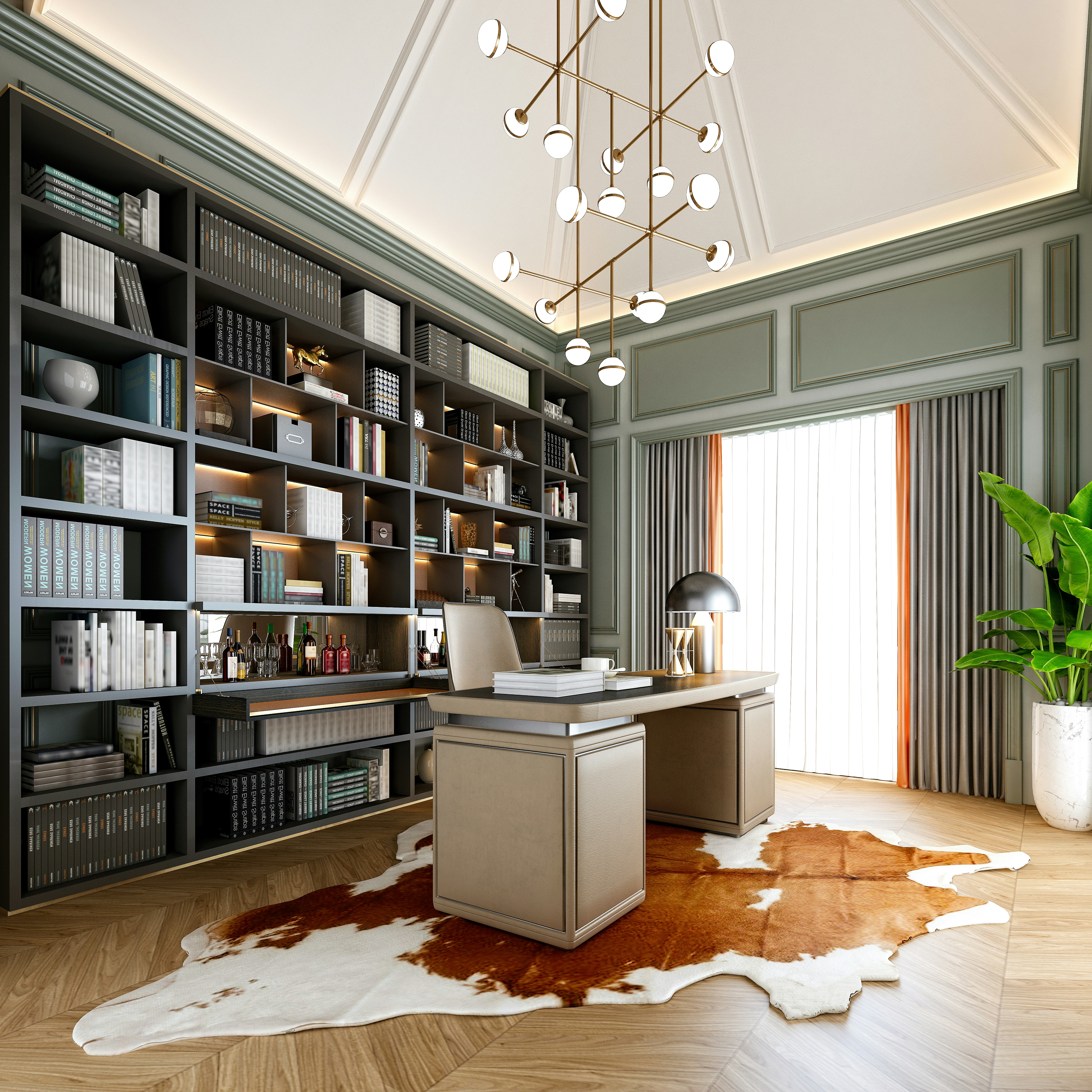
Staging: Does It Really Help? Here's What I've Seen (and What the Data Says)
If you've talked to me about selling your house, you already know where I land on staging: I'm a believer. Not because it's trendy, but because I watch buyer behavior for a living, and staged homes act differently in the market than empty ones do.
I work the buyer side of transactions all the time, and I can tell you firsthand — staged homes get more online views, more showings scheduled, and better first impressions the second a buyer walks through the door. Empty houses just don't sell the story the way a staged one does. And now the data backs up what I've been seeing in the field for years.
Let's break down why staging works, what the numbers actually say, and what it means for you if you're getting ready to list your Oklahoma home.
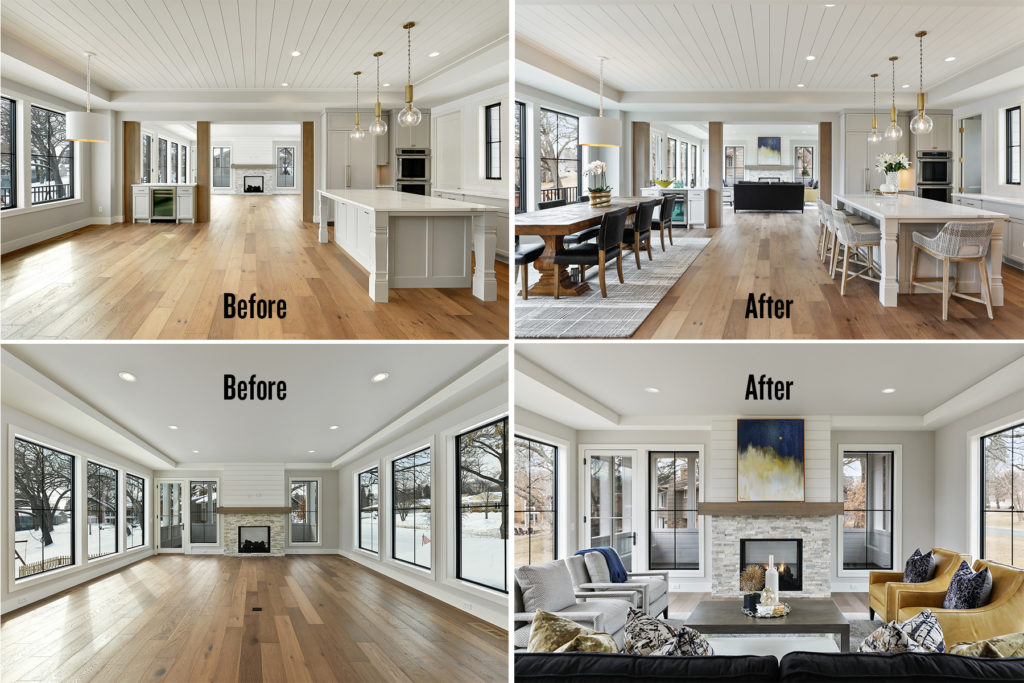
What the Data Says: NAR's Findings on Home Staging
The National Association of Realtors® publishes a Profile of Home Staging every year, surveying agents nationwide about what staging actually does in a transaction. Here's what stood out from the most recent report:
- 83% of buyers' agents said staging made it easier for buyers to visualize a property as their future home.
- 29% of agents reported staged homes received a 1-10% increase in the dollar value offered compared to similar unstaged homes.
- 49% of sellers' agents said staging reduced the home's time on market — 19% called the reduction significant.
- 26% of buyers' agents said staging influenced how most buyers viewed the property (not just some buyers — most).
- Only 21% of sellers' agents stage every listing, which tells me a lot of sellers are still leaving an edge on the table.
As NAR's Deputy Chief Economist Jessica Lautz put it: “By staging a home, agents who are Realtors® strategically highlight the best features, ensuring sellers receive the most-competitive offers.”
That's the whole point. Staging isn't decorating for decorating's sake — it's a strategy to get you the strongest offers, faster.
Why Staged Homes Get More Online Views (and More Showings)
Here's something I see every single week as a buyer's agent: buyers decide whether they even want to see a house before they ever pull into the driveway. It happens on their phone, scrolling listing photos. That first impression doesn't happen at the front door anymore — it happens online. We know most home buyers start their search online, so first impressions are really important. Buyers may forgo seeing a home if it doesn't show itself in a certain way online.
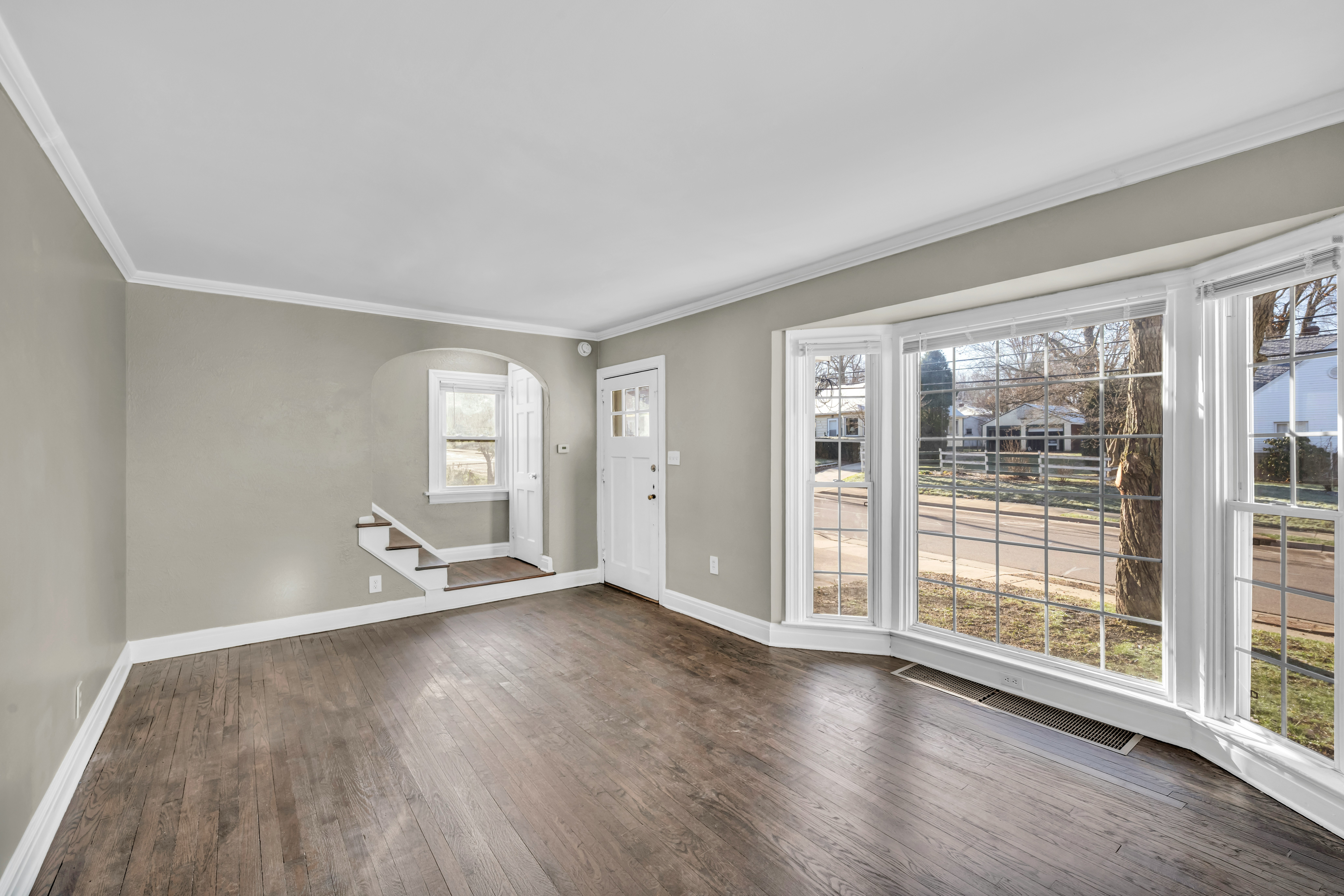
That's exactly why the photos matter so much, and why staged homes photograph better, period. Empty rooms photograph flat, cold, and smaller than they actually are — there's nothing for the camera (or the eye) to anchor on. Furniture and styling give a room depth, warmth, and scale, which means better lighting, better composition, and a listing that actually stops the scroll instead of blending into the feed of every other house for sale.
And that scroll-stopping moment matters more than sellers realize, because it's the difference between a buyer booking a showing and a buyer skipping right past your listing. Fewer showings means fewer offers, plain and simple. I've watched this play out over and over on the buyer side: a bare living room doesn't show scale, flow, or function, and buyers are left guessing whether their own furniture would even fit. That hesitation is usually enough to send them to the next listing instead.
If your goal is to get as many qualified buyers through the door as possible, staging is one of the most direct levers you can pull.
Staging Helps Buyers See Themselves in the Space
Buying a home is an emotional decision before it's a financial one. Buyers need to picture their life happening in your rooms — and that's genuinely hard to do when they're standing in an empty box.
- Furniture placement answers the question buyers are already asking: “Will my stuff fit here?” Staging shows them the answer instead of making them guess.
- Unique or awkward spaces need context. A bonus room, an odd-shaped nook, a formal dining room that could be a home office — staging shows buyers what's possible instead of leaving them confused about how to use it.
- It removes hesitation. Buyers move faster and write stronger offers on homes they can immediately imagine living in.
This is exactly why NAR's data shows staging is used most in the rooms that carry the most emotional weight: living rooms (91% of agents stage this room), primary bedrooms (83%), dining rooms (69%), and kitchens (68%). Those are the spaces buyers connect with — and remember.
Does Staging Guarantee a Higher Price? What Top Producers Say
I want to be straight with you here, because I'd rather give it to you honestly than oversell staging as some kind of magic trick.
Top-producing Georgia agent Glennda Baker makes an important point: staging doesn't let you invent value that isn't there. Her take is essentially this — the market tells you what a home is worth, and offers are the real, honest signal of that value. Staging won't convince buyers to pay for square footage or location that doesn't exist, and it's not a tool for justifying an inflated list price.
What staging does do — and where the data lines up with what agents like Baker and nationally known speaker and top producer Leigh Brown emphasize to sellers — is help a home compete at its true, best value. It's the difference between a buyer scrolling past your listing versus stopping, between a home sitting on the market versus getting multiple showings in the first weekend, and between an offer at asking price versus one that comes in low because the buyer couldn't connect with the space.
My bottom line: Staging won't fix a pricing problem. But it will absolutely help you sell faster, attract more serious buyers, and put your home's best foot forward — every single time.
What Rooms Matter Most When You Stage
If you're working with a budget (most sellers are), prioritize the spaces buyers care about most:
- Living room — the space buyers say matters most to their overall impression.
- Primary bedroom — buyers want to picture their own retreat.
- Kitchen — still the heart of the home and a huge factor in perceived value.
- Dining room — helps define flow and function, especially in open-concept layouts.
You don't have to stage every room in the house to get results. Focus your time, money, and energy on the rooms that do the most emotional and visual heavy lifting.
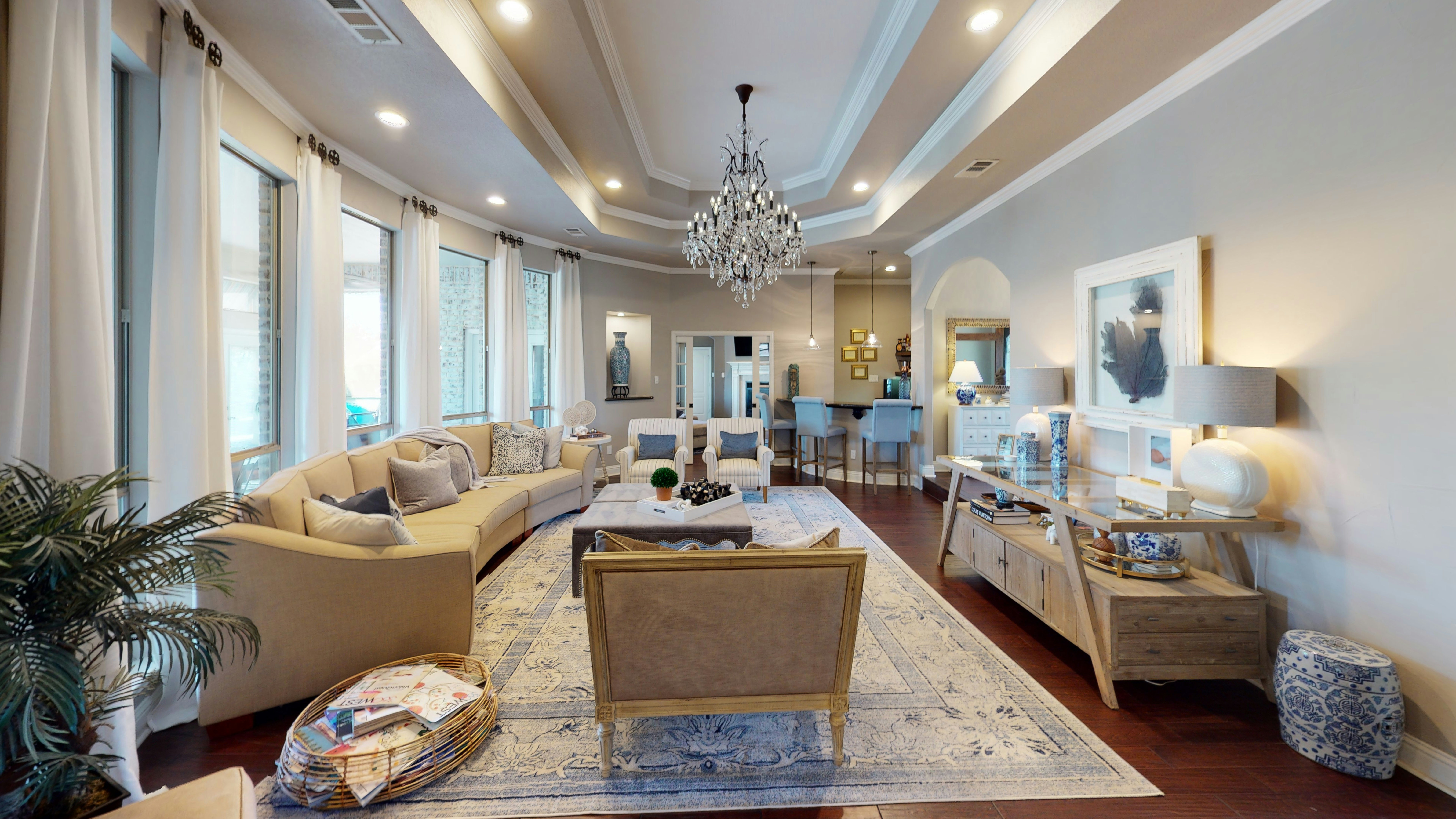
Staging on a Budget: What It Actually Costs
Staging is more accessible than most sellers assume:
- Median cost for a professional staging service: around $2,000.
- Median cost when your agent handles staging directly (using existing furniture, rearranging, and adding accessories): around $1,000.
Compare that to the potential of a 1-10% higher offer on a $550,000 to $600,000 Oklahoma home, and the math tends to work heavily in your favor. Even a partial staging — just the living room and primary bedroom — can shift how buyers respond to your listing.
My Take: Should You Stage Your Oklahoma Home?
If you're planning to sell in the next few months, my advice is simple: don't skip staging, even if it's a lighter version. In this price range, buyers have options, and they're comparing your home to every other polished listing in their search. A staged home gives you an edge in the online scroll, in the number of showings you get scheduled, and in how confidently buyers write their offer.
I help my sellers figure out exactly where to invest staging dollars — and where not to — based on what buyers in their specific neighborhood and price point respond to. That's part of what “knowledge broker” means to me: I don't just list your house, I help you position it to sell faster and for more money.
If you're thinking about selling and want a straight-talk walkthrough of what your home needs (and what it doesn't), let's connect. I'll tell you the truth, and I'll help you get it done.

Emily Mathews
Team Leader | We Sell Oklahoma Team || LRE Realty
or another way